Skip to content
The Best Homemade Gluten-Free Pasta (Dairy-Free!)
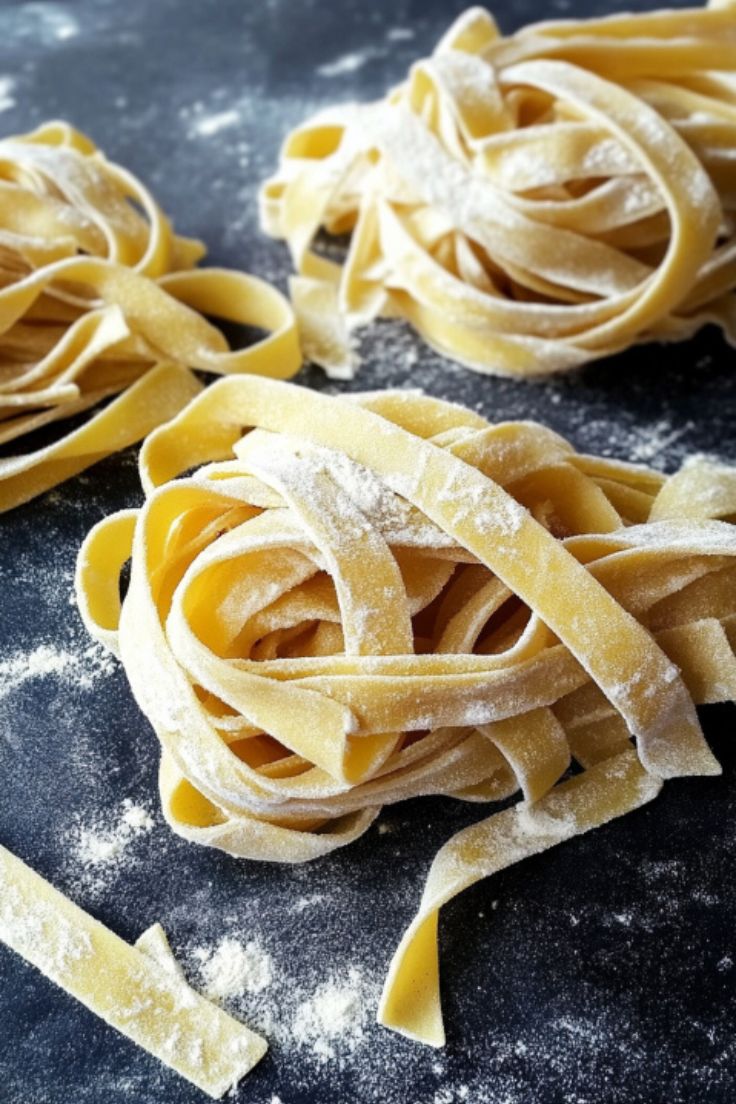
This homemade gluten-free pasta has been a long time coming! Over the years, I’ve tried countless recipes—some too crumbly, some too gummy—but I refused to settle for anything less than perfection.
So here it is: a 3-ingredient gluten-free pasta that’s simple, silky, and absolutely delicious. It’s made with pantry staples, rolls out beautifully, and cooks up into a chewy, flavorful pasta that rivals any fresh, handmade pasta.
Whether you’re gluten-free by necessity or choice, this pasta will change the way you think about homemade pasta forever.
No fancy equipment required—just a little flour, a few eggs, and a rolling pin (or a pasta machine if you have one!).
Ready to make pasta night extra special? Let’s do this!
For Gluten-Free Pasta Dough
- Gluten-Free Flour – The base of the pasta; provides structure and texture. Use a blend containing rice, potato, and maize flour for best results.
- Xanthan Gum – Helps bind the dough together and gives it elasticity.
- Eggs – The key ingredient that brings the dough together and provides richness.
For Rolling and Shaping
- Gluten-Free Flour – Used for dusting the surface to prevent sticking while rolling.
- Cling Film – Helps keep the unused dough from drying out.
For Cooking the Pasta
- Salt – Enhances the flavor of the pasta while boiling.
- Water – For boiling the pasta until tender.
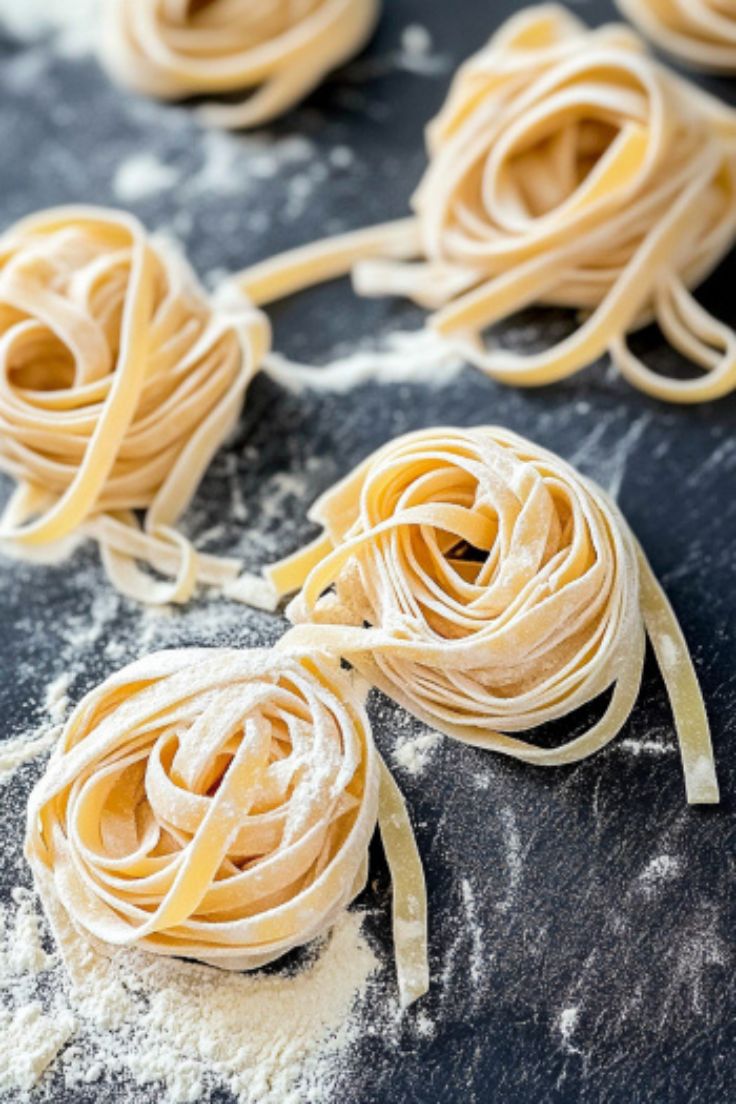
Homemade Gluten-Free Pasta (Dairy-Free)
.
Ingredients
- 1 ⅔ cups (200g) gluten-free flour (plus extra for kneading and dusting)
- 1 teaspoon xanthan gum
- 3 medium eggs
Instructions:
1. Make the Gluten-Free Pasta Dough:- In a large mixing bowl, whisk together the gluten-free flour and xanthan gum.
- Make a well in the center and crack in the eggs. Lightly beat the eggs, gradually incorporating the flour mixture.
- Continue mixing until a slightly sticky dough forms.
- If the dough feels too dry or crumbly, add one extra egg. If it's too wet or soft, add a bit more flour.
- Transfer the dough to a floured surface and knead for 2-3 minutes until smooth. Kneading helps to ensure the dough is lump-free.
- Divide the dough into four equal pieces and wrap unused portions in plastic wrap.
- Flatten one portion and dust it generously with flour on both sides.
- Roll the dough through a pasta machine on the widest setting (or use a rolling pin).
- Fold the dough into thirds, dust with flour, rotate 90 degrees, and roll through the machine again.
- Repeat this folding and rolling process 5 times until you get a smooth, velvety sheet.
- Gradually reduce the thickness setting until the dough is about 1 mm thick.
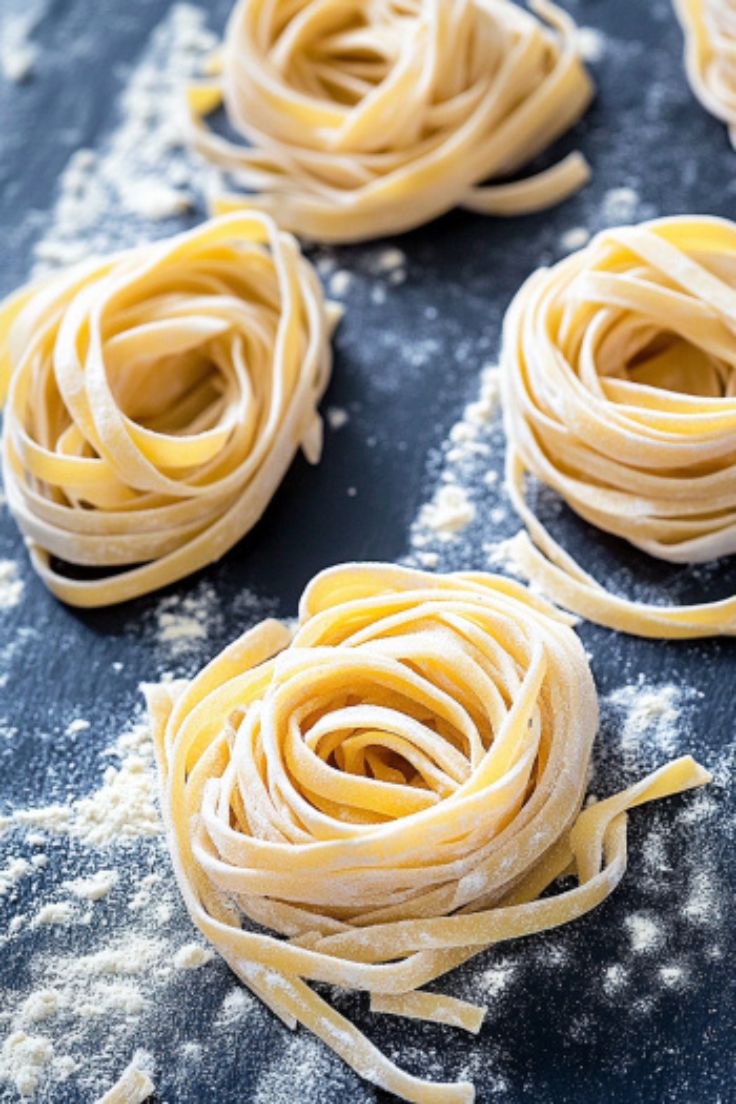
- Use a sharp knife or pasta machine cutter to slice the dough into tagliatelle strips (about ⅓ inch / 1 cm wide).
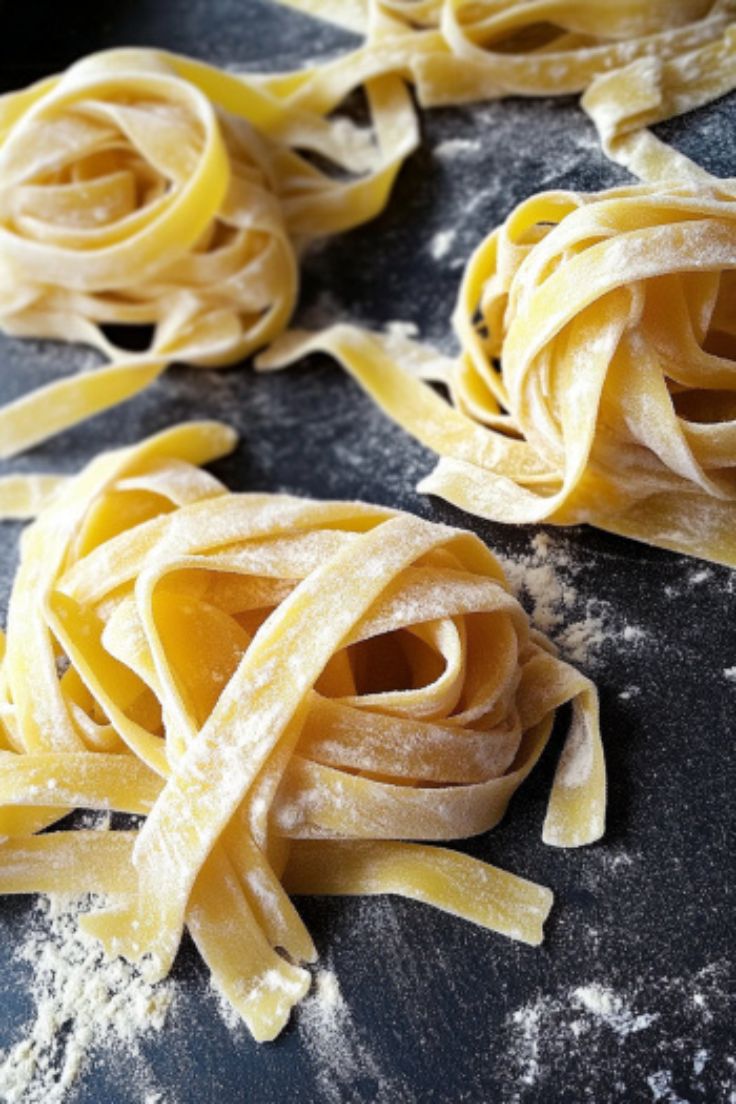
- Toss the pasta lightly in flour and shape it into nests for easier handling.
- Place the pasta on a drying rack near a warm spot (like a radiator in winter or a kitchen counter in summer).
- Let the pasta dry overnight or until fully dry. If it’s still slightly damp the next day, leave it for a few more hours.
- For the first few days, keep the dried pasta in an open container to prevent moisture buildup.
- Once fully dry, transfer to a sealed container and store in a cool, dry place for 2-3 weeks.
- Fresh Pasta: Boil in salted water for 4-8 minutes, depending on the texture you prefer.
- Dried Pasta: Boil in salted water for 6-10 minutes, adjusting to your texture preference.
- Gluten-Free Flour Blend: This recipe uses Lidl’s "Just Free" gluten-free flour blend (available in the UK), containing rice, potato, and maize flours.
- Egg Size & Dough Texture: The size of eggs affects dough consistency. If the dough is too sticky, add more flour. If it’s crumbly, add more egg or repeat the folding steps to improve texture.
Nutrition
Calories: 260kcal | Carbohydrates: 45g | Protein: 7.8g | Fat: 4.2g | Saturated Fat: 1.1g |Cholesterol: 140mg | Sodium: 53mg | Potassium: 72mg | Fiber: 3g | Sugar: 1.5g |Vitamin A: 270IU | Vitamin C: 0mg | Calcium: 22mg | Iron: 1.2mg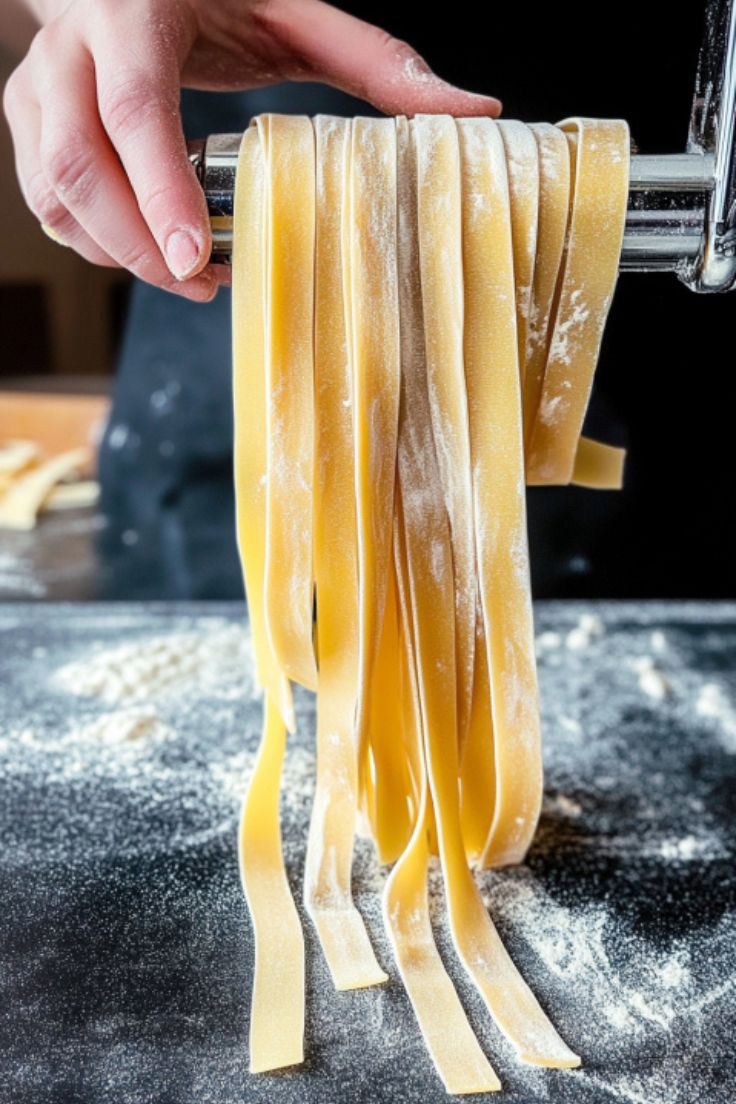
1. Can I make this pasta without a pasta machine?
Absolutely! Just roll out the dough as thin as you can on a floured surface using a rolling pin. Then, slice it into strips with a sharp knife or pizza cutter. It might take a little extra effort, but the results are just as delicious!
2. My dough is too dry and crumbly—what should I do?
No worries! Gluten-free flours absorb moisture differently. If your dough isn’t coming together, crack in an extra egg or add a teaspoon of water at a time until it forms a smooth, pliable ball.
3. How do I keep the pasta from sticking together?
Once you’ve cut the pasta, dust it generously with gluten-free flour and gently toss it. If you’re storing it before cooking, lay it out in small nests or spread it out on a floured baking sheet.
4. Can I make the pasta dough ahead of time?
Yep! Wrap the dough tightly in plastic wrap and store it in the fridge for up to 24 hours. Just let it sit at room temperature for about 15 minutes before rolling it out so it’s easier to work with.
5. How long do I cook fresh vs. dried gluten-free pasta?
- Fresh pasta: Boil for 4-8 minutes, depending on the thickness.
- Dried pasta: Boil for 6-10 minutes until tender.
Taste as you go—you want it perfectly al dente!