Skip to content

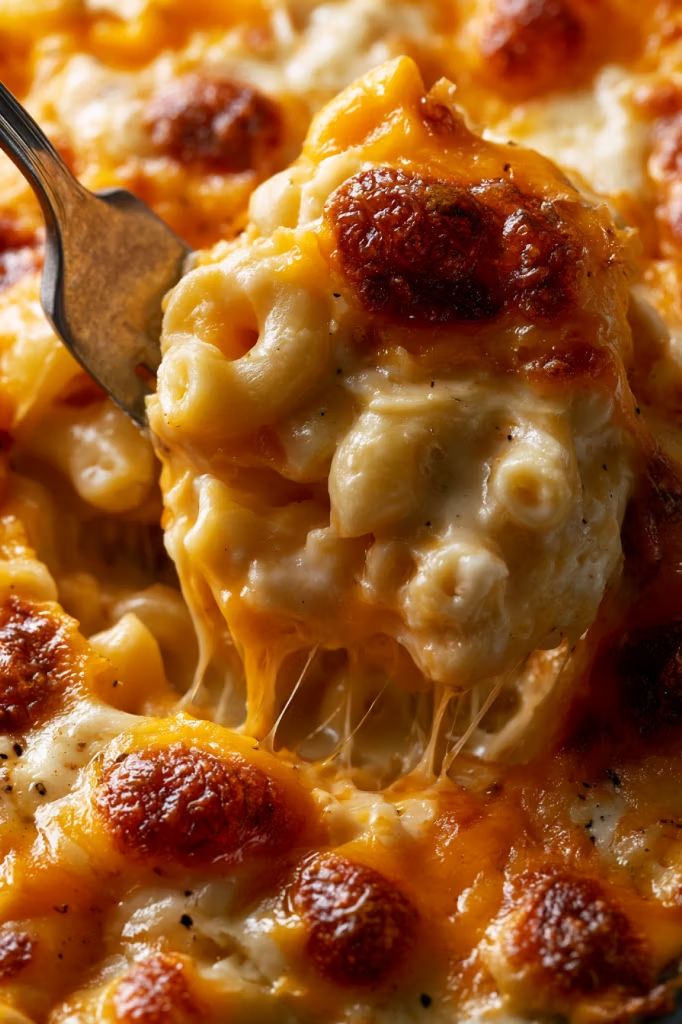
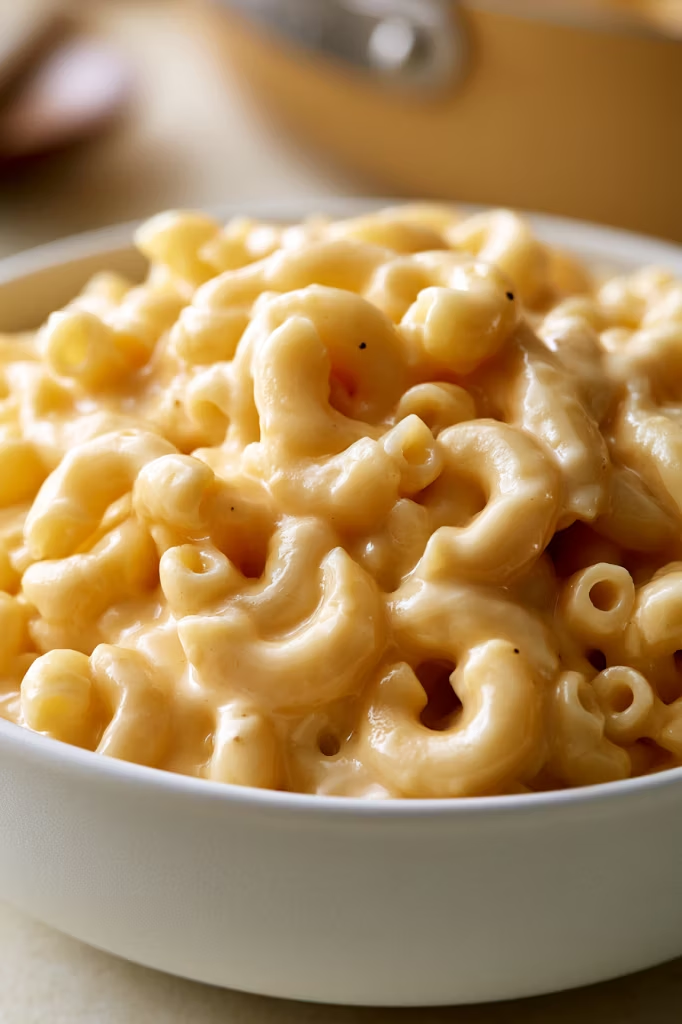
Creamy underneath and bubbling with melted cheese on top, this baked macaroni and cheese is comfort food made for cozy dinners, holidays, and anytime a bowl of something cheesy sounds especially good.
There’s something so satisfying about making mac and cheese from scratch. The macaroni gets folded into a thick, silky sauce made with butter, whole milk, dry mustard, egg, and plenty of freshly grated cheese. Then, everything goes into the oven just long enough for the cheese on top to melt while the pasta underneath stays wonderfully creamy.
The little details make a difference here. Keeping the macaroni very firm before baking prevents it from turning mushy, and tempering the egg into the sauce gives it extra richness without making the process complicated. Serve it hot from the oven, when the cheese is still bubbling and every spoonful is creamy and comforting.
Why You’ll Love This Recipe
This is the kind of macaroni and cheese I’d make when I want something familiar, cozy, and unapologetically cheesy. It uses simple ingredients, but together they create a sauce that’s rich enough to coat every piece of macaroni.
I especially love the contrast in texture. The top becomes hot and cheesy in the oven, while underneath, the macaroni stays soft and creamy. And because you can use cheddar, jack, fontina, or a combination of cheeses, it’s easy to give the dish a slightly different personality each time you make it.
It’s also a great recipe for feeding a table. Serve it as a comforting main dish with vegetables or a salad, or tuck it alongside your favorite hearty main for a side dish everyone will want to scoop into.
Macaroni and Cheese Ingredients
Here’s what you’ll need to make this creamy baked macaroni and cheese:
- Macaroni – The base of the dish. Cook it until very firm before adding it to the cheese sauce, since it will continue cooking in the oven.
- Egg – Adds richness to the cheese sauce and helps give it a smooth, creamy texture. Tempering it with a little hot sauce first keeps it from scrambling.
- Salted Butter – Forms the base of the roux and adds richness to the sauce.
- All-Purpose Flour – Whisked with the butter to make a roux, which thickens the milk and creates the creamy foundation for the cheese sauce.
- Whole Milk – Gives the sauce its creamy consistency and plenty of richness.
- Dry Mustard – Adds a subtle tang that balances all that rich cheese. You can add a little more to taste if you like a sharper flavor.
- Cheese – This is where all the cheesy goodness comes from! Cheddar, jack, fontina, or a combination all work. Freshly grated cheese is especially good here because it melts smoothly into the sauce.
- Kosher Salt – Brings out the flavors in the pasta and cheese sauce. Taste before adding more, since different cheeses vary in saltiness.
- Seasoned Salt – Adds another savory layer of seasoning to the cheese sauce. Add more to taste if needed.
- Ground Black Pepper – Gives the rich sauce a little peppery bite without overpowering the cheese.
- Cayenne Pepper, Paprika, and/or Thyme – These are optional, but they’re an easy way to add extra warmth and flavor. Use whichever combination sounds good to you.
Step-by-Step Instructions
First, cook the macaroni. Cook the macaroni until very firm. The macaroni should be too firm to eat right out of the pot. Drain.
Next, prepare the egg. Beat the egg in a small bowl.
Then, make the creamy base. Melt the butter in a large pot and sprinkle in the flour. Whisk together over medium-low heat. Cook the mixture for 5 minutes, whisking constantly. Don’t let it burn. Pour in the milk, add the mustard, and whisk until smooth. Cook for 5 minutes until very thick. Reduce the heat to low.
Temper the egg. Take 1/4 cup of the sauce and slowly pour it into the beaten egg, whisking constantly to avoid cooking the egg. Whisk together till smooth.
Finally, bring everything together. Pour the egg mixture into the sauce, whisking constantly. Stir until smooth. Add in the cheese and stir to melt. Add the salt, seasoned salt, pepper, and other optional seasonings. Taste the sauce, adding more salt and seasoned salt as needed. (Do not under-salt!) Pour in the drained, cooked macaroni and stir to combine. Pour into a buttered baking dish, top with extra cheese, and bake at 350°F for 20 to 25 minutes, then serve.
Expert Tips
The biggest thing to remember when making this recipe is not to fully cook the macaroni before it goes into the oven. It should still be very firm when you drain it. The pasta continues to cook once it’s surrounded by the warm cheese sauce and baked, and that head start helps keep the finished macaroni from becoming too soft.
Keep an eye on the heat when you make the sauce, too. Whisk the butter and flour constantly over medium-low heat, and once the sauce has thickened, reduce the heat as directed. Gentle heat is especially helpful once the cheese enters the picture.
When you reach the egg step, pour the hot sauce into the beaten egg slowly while whisking the entire time. This gradually warms the egg before it goes into the pot and helps keep the finished sauce smooth.
And finally, grate the cheese yourself when you can. Freshly grated cheese tends to melt beautifully into the warm sauce, giving you that smooth, creamy texture that makes homemade mac and cheese so satisfying.

Recipe Variations
One of the easiest ways to make this macaroni and cheese your own is to play with the cheeses already included in the recipe. Sharp cheddar gives it that familiar mac-and-cheese flavor, while jack melts beautifully and fontina brings another layer of creaminess. Or combine a few and get a little of everything.
The optional seasonings are another simple way to change things up. Add cayenne when you want a touch of heat, paprika for another savory note, or thyme for an herby finish. You can keep the seasoning subtle or add a little more to taste without changing the heart of the recipe.
Storage & Reheating
If you have leftovers, store them tightly covered or in an airtight container in the refrigerator for up to 3 days. For a quick lunch, individual portions can go straight into the microwave. If you’re reheating a larger amount, cover the baking dish with foil and warm it in a 350°F oven for 15 to 20 minutes, until heated through.
This macaroni and cheese is also convenient to prepare ahead. Assemble it, add the cheese on top, cover it with foil, and refrigerate it unbaked for up to 2 days. Take the dish out about 30 minutes before baking. Because it will still be cooler than a freshly assembled casserole, it may need a few extra minutes in the oven.
Serving Suggestions
Fresh from the oven, this macaroni and cheese is hearty enough to be the center of dinner. I’d pair it with something fresh and simple, like steamed broccoli, roasted vegetables, green beans, or a crisp salad. The vegetables give you a nice contrast to all that warm, creamy cheese.
It also makes a wonderfully comforting side dish. Serve it alongside roast chicken, meatloaf, pulled pork, barbecue, or another hearty main. And for holidays or potlucks, set the baking dish right on the table and let everyone help themselves. This is definitely one of those dishes that’s best enjoyed hot, while the cheese on top is still melted and the macaroni underneath is at its creamiest.
Recipe FAQs
1. Why do I need to undercook the macaroni?
The macaroni will continue to cook once it goes into the oven, so you want it very firm when you drain it. If you cook it until completely tender first, it can become too soft after baking. Very firm pasta helps give you creamy mac and cheese without mushy noodles.
2. How do I keep the cheese sauce smooth and creamy?
Keep the heat low and don’t rush the sauce. Whisk the butter and flour well, slowly work in the milk, and let the sauce thicken before adding the cheese. Freshly grated cheese also melts more smoothly, so I recommend grating it from the block if you can.
3. Why is there an egg in this mac and cheese?
The egg helps make the cheese sauce extra rich and creamy. Just make sure to temper it first by slowly whisking 1/4 cup of the hot sauce into the beaten egg. This warms the egg gently so it blends into the sauce instead of scrambling.
4. Can I use different kinds of cheese?
Yes! Cheddar, jack and fontina all work great in this recipe, and you can use just one or mix a few together. I love using a combination when I want a little more flavor, but a good cheddar keeps things simple and delicious.
5. How do I keep baked mac and cheese from drying out?
The key is not to overbake it. Bake the macaroni and cheese at 350°F for 20 to 25 minutes. You want the cheese on top melted and bubbly while the macaroni underneath is still nice and creamy. Once it reaches that point, it’s ready to come out of the oven.


Macaroni and Cheese
Ingredients
- 4 cup dried macaroni
- 1 Egg
- 1/4 cup salted butter
- 1/4 cup all-purpose flour
- 2 1/2 cup whole milk
- 2 heaping tsp dry mustard, plus more to taste
- 1 lb cheese (such as cheddar, jack, and/or fontina), grated
- 1/2 tsp kosher salt, more to taste
- 1/2 tsp seasoned salt, plus more to taste
- 1/2 tsp ground black pepper
- Cayenne pepper, paprika, and/or thyme (optional)
Instructions
- Cook the macaroni until very firm. The macaroni should be too firm to eat right out of the pot. Drain.
- Beat the egg in a small bowl.
- Melt the butter in a large pot and sprinkle in the flour. Whisk together over medium-low heat. Cook the mixture for 5 minutes, whisking constantly. Don't let it burn. Pour in the milk, add the mustard, and whisk until smooth. Cook for 5 minutes until very thick. Reduce the heat to low.
- Take 1/4 cup of the sauce and slowly pour it into the beaten egg, whisking constantly to avoid cooking the egg. Whisk together till smooth.
- Pour the egg mixture into the sauce, whisking constantly. Stir until smooth. Add in the cheese and stir to melt. Add the salt, seasoned salt, pepper, and other optional seasonings. Taste the sauce, adding more salt and seasoned salt as needed. (Do not under-salt!) Pour in the drained, cooked macaroni and stir to combine. Pour into a buttered baking dish, top with extra cheese, and bake at 350°F for 20 to 25 minutes, then serve.
.
Recipe Notes
- Why keep the macaroni very firm?
Because the pasta cooks again after it goes into the oven. Starting with very firm macaroni helps it retain its texture during baking instead of becoming overly soft. - What does the egg do?
The egg adds richness and contributes to the smooth texture of the finished sauce. Adding some hot sauce to the beaten egg first brings its temperature up gradually, helping prevent it from scrambling when it goes into the pot. - Why use dry mustard?
Dry mustard provides acidity and a mild sharpness that cuts through the richness of the milk, butter, and cheese. The recipe calls for two heaping teaspoons, with the option to add more according to taste. - Which cheese works best?
The recipe allows for cheddar, jack, fontina, or a combination. Grating the cheese rather than relying on pre-shredded cheese can also help it melt smoothly. - How do you prevent a grainy cheese sauce?
Keep the heat controlled and incorporate the cheese carefully. Excessive heat can interfere with the smooth texture of a cheese sauce. - Can it be prepared ahead?
The assembled dish can be topped with cheese, covered with foil, and refrigerated unbaked for up to two days. Remove it from the refrigerator about 30 minutes before baking. It may require a few additional minutes in the oven. - How should leftovers be stored?
Keep leftover macaroni and cheese tightly covered or in an airtight container in the refrigerator for up to three days. Individual servings can be microwaved. For a larger amount, cover the baking dish with foil and heat at 350°F for 15 to 20 minutes, or until warmed through. - For a creamy result:
Avoid leaving the casserole in the oven longer than necessary. The goal is a melted, bubbly cheese topping with a creamy interior, so remove it once it reaches that stage.
Nutrition
Calories: 735kcal | Carbohydrates: 60g | Protein: 30g | Fat: 42g | Saturated Fat: 25g | Cholesterol: 145mg | Sodium: 890mg | Potassium: 390mg | Fiber: 2g | Sugar: 7g | Vitamin A: 1290IU | Calcium: 590mg | Iron: 2mg Nutrition is an estimate and can vary depending on the type and brand of cheese, macaroni, milk, and seasonings used.