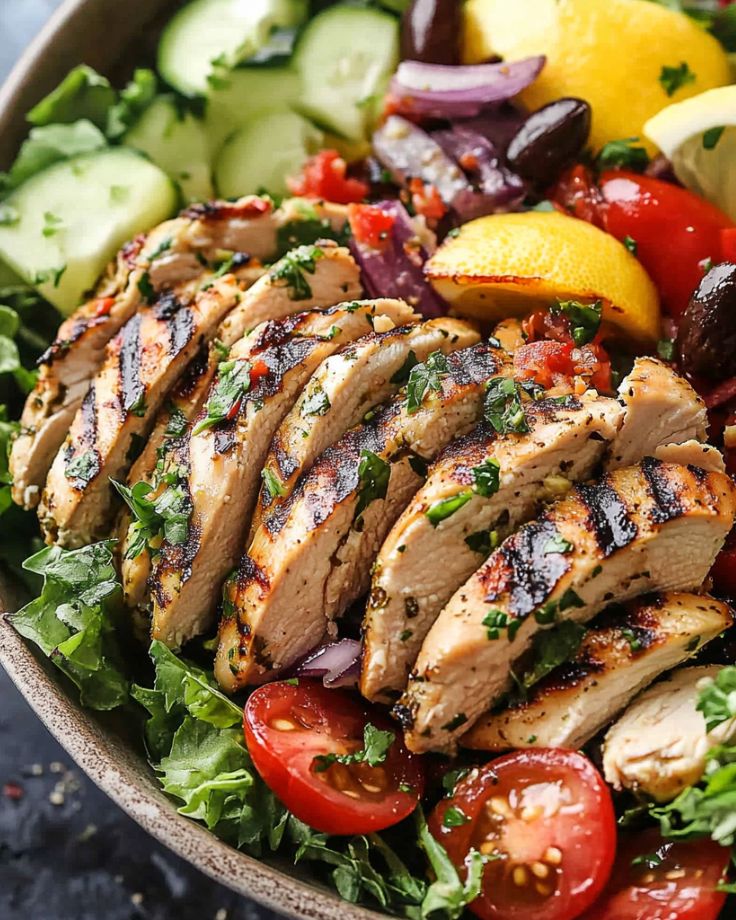
Mediterranean Chicken Skillet
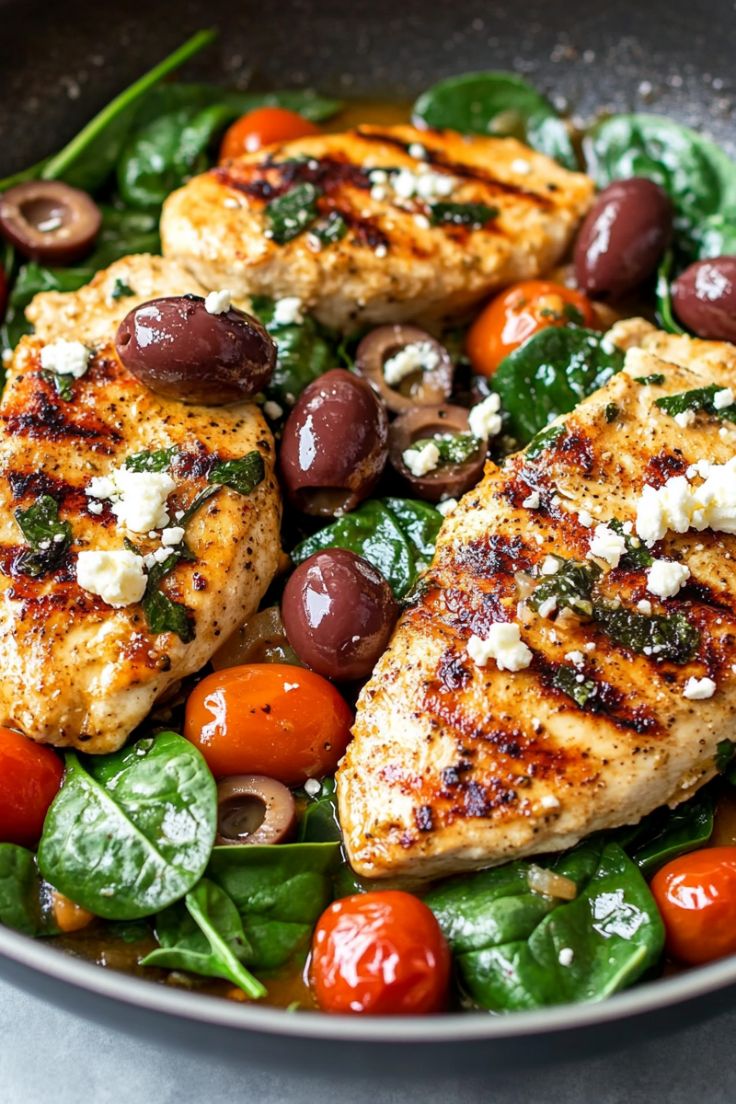
This quick and easy Mediterranean Chicken Skillet brings together fresh, vibrant flavors in one simple dish.
With juicy chicken, sun-dried tomatoes, artichokes, capers, and a tangy lemony sauce, it’s the perfect weeknight meal that feels both indulgent and light.
Ready in just 27 minutes, this is one flavorful dish that’s bound to become a regular in your kitchen!
Why You’ll Love This Recipe
- Ready in 27 minutes: With just 2 minutes of prep time and 25 minutes of cooking time, this recipe fits easily into a busy evening.
- Full of Mediterranean-inspired flavor: Sun-dried tomatoes, artichoke hearts, capers, and lemon juice create a vibrant combination of tangy, savory, and slightly sweet flavors.
- Simple skillet preparation: The chicken and sauce are prepared in the same skillet, allowing you to keep the cooking process straightforward.
- Easy to customize: Boneless chicken thighs can replace chicken breasts, and the recipe notes offer alternatives for the milk and vegetables.
- A creamy, zesty sauce: Almond milk, gluten-free flour, and lemon juice create a sauce that brings the chicken and vegetables together.
- Suitable for gluten-free cooking: The recipe uses gluten-free flour, making it a useful option for those following a gluten-free eating pattern when the other ingredients are also verified as gluten-free.
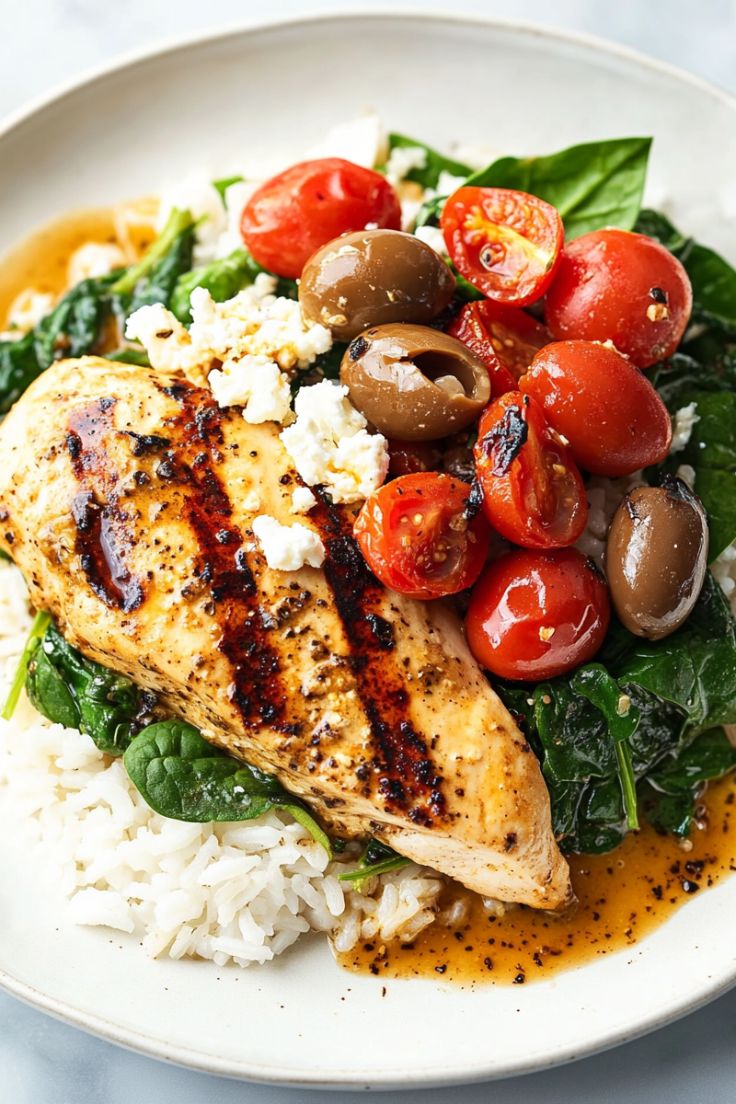
For Mediterranean Chicken
- Chicken Breast – I use boneless chicken breasts, but boneless chicken thighs work well too.
- Gluten-Free Flour – This is used for lightly coating the chicken before cooking.
- Salt and Black Pepper – Simple seasonings to add flavor to the chicken.
- Olive Oil – Used for cooking the chicken in the skillet.
- Roasted Artichoke Hearts – Adds a rich, tangy flavor to the dish.
- Sun-Dried Tomatoes – A burst of umami and sweetness.
- Capers – Adds a briny, savory taste.
- Lemon Juice – Freshly squeezed for a zesty, citrusy flavor.
For the Mediterranean Chicken Sauce
- Gluten-Free Flour – Thickens the sauce, giving it a creamy texture.
- Almond Milk – Used as a base for the sauce, any milk of your choice can be used.
- Freshly Chopped Parsley – For garnish and a touch of fresh, herbal flavor.
Step-by-Step Guide to Making Mediterranean Chicken Skillet
Step 1: Season and Coat the Chicken
Begin by combining the gluten-free flour, salt, and ground black pepper in a medium bowl. Coat the chicken breasts evenly in the mixture so each piece is seasoned before cooking.
Preparing the chicken this way helps distribute the seasonings throughout the dish.
Step 2: Cook the Chicken in the Skillet
Heat the olive oil in a large skillet over medium heat, then add the coated chicken breasts. Cook them according to the original recipe instructions, turning as needed.
If your skillet isn’t large enough to accommodate all the chicken comfortably, cook in batches rather than overcrowding the pan. Once the chicken is fully cooked, transfer it to a plate and cover it to keep warm while you prepare the sauce.
Step 3: Whisk Together the Sauce Base
In a small bowl, whisk the remaining gluten-free flour with the almond milk until the mixture is smooth and free of lumps.
Taking a moment to mix these ingredients thoroughly helps prevent flour lumps from forming when the mixture is added to the hot skillet.
Step 4: Add the Mediterranean Flavors
Using the same skillet, add the drained roasted artichoke hearts, sun-dried tomatoes, and capers. Sauté them for 2 minutes, then pour in the milk mixture and lemon juice.
Stir everything together so the ingredients are evenly distributed and the sauce begins to develop its creamy, tangy character.
Step 5: Return the Chicken to the Sauce
Once the sauce begins to thicken, return the cooked chicken to the skillet. Let it simmer for a couple of minutes so the chicken heats through and becomes coated in the sauce.
This final stage brings the chicken, vegetables, and lemon sauce together into one cohesive dish.
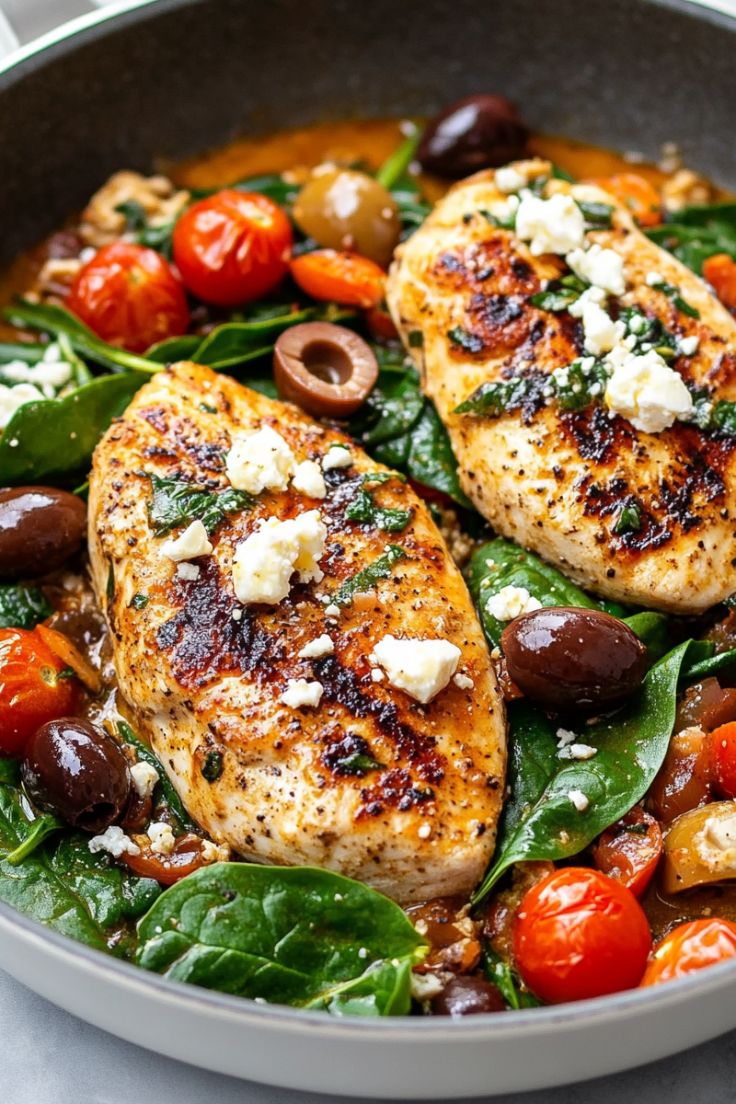
Step 6: Garnish and Serve
Serve the Mediterranean Chicken Skillet warm, finishing it with freshly chopped parsley.
Spoon some of the sauce, artichokes, sun-dried tomatoes, and capers over each portion so every serving includes a little of everything.
Tips for the Best Mediterranean Chicken Skillet
- Prepare the chicken evenly: Halving the chicken breasts lengthwise helps them cook more quickly. Try to keep the pieces reasonably similar in thickness for more even cooking.
- Avoid overcrowding the skillet: If the chicken doesn’t fit comfortably in one layer, cook it in batches. The original instructions specifically allow for this.
- Whisk the sauce thoroughly: Mix the gluten-free flour and almond milk until smooth before adding the mixture to the skillet. This helps prevent lumps.
- Drain the artichokes and capers: The recipe calls for drained artichoke hearts and capers. Removing excess liquid helps you follow the intended ingredient proportions.
- Use fresh lemon juice when possible: Freshly squeezed lemon juice gives the sauce a bright citrus flavor, although bottled juice is an acceptable alternative.
- Let the sauce begin to thicken: Follow the recipe’s visual cue before returning the chicken to the skillet. This helps the sauce develop the intended consistency.
- Finish with fresh parsley: Add the parsley when serving for a fresh herbal note and a colorful finish.
Common Mistakes to Avoid
- Mistake: Skipping the seasoned flour coating. The flour, salt, and pepper help season the chicken before cooking. Coat the pieces evenly rather than adding the seasoning mixture randomly to the skillet.
- Mistake: Crowding the pan with chicken. Too many pieces can make skillet cooking more difficult. Cook in batches if necessary, as recommended in the original instructions.
- Mistake: Leaving lumps in the sauce mixture. Adding flour directly to the skillet can make it harder to incorporate smoothly. Whisk it with the almond milk in a separate bowl first.
- Mistake: Forgetting to drain the artichokes and capers. Excess liquid can change the balance of the sauce. Drain both ingredients before adding them.
- Mistake: Adding the chicken back before the sauce starts to thicken. Follow the recipe’s sequence and return the chicken once the sauce begins to thicken.
- Mistake: Rushing the final heating stage. The chicken needs to heat through again after being returned to the sauce. Let it simmer for the couple of minutes specified in the recipe.
- Mistake: Overlooking the lemon juice. Lemon juice is an important part of the sauce’s flavor. Measure it as directed rather than leaving it out unintentionally.
Easy Ways to Change It Up
The original Mediterranean Chicken Skillet is flavorful as written, but there are several ways to adapt it to your preferences. These are optional variations, not changes to the original recipe.
- Use boneless chicken thighs: Replace the chicken breasts with boneless chicken thighs if you prefer a different cut. Adjust the cooking time as needed and make sure the chicken is fully cooked.
- Try another milk: Cow’s milk, soy milk, or oat milk can be used in place of almond milk. The sauce’s flavor and texture may vary depending on your choice.
- Leave out the capers: If you prefer a milder, less briny flavor, omit the capers.
- Swap the artichokes for vegetables: Asparagus, green beans, or broccoli are alternatives mentioned in the recipe notes. The cooking time may need to change depending on the vegetable.
- Experiment with additional vegetables: Spinach, bell peppers, or zucchini can be considered optional additions. Add them thoughtfully, keeping in mind that extra ingredients may change the texture and amount of sauce.
- Use bottled lemon juice when needed: If fresh lemons aren’t available, bottled lemon juice can be used as an alternative.
When trying a variation, remember that changing ingredients can affect the finished dish. For the most predictable results, follow the original recipe the first time and experiment once you’re familiar with its preparation.
How to Serve Mediterranean Chicken Skillet
This Mediterranean Chicken Skillet works well as the centerpiece of a simple dinner. Its creamy, tangy sauce and savory vegetables pair naturally with sides that can soak up the extra sauce.
Here are a few serving ideas:
- Rice: Serve the chicken over plain rice to make a simple, satisfying meal.
- Roasted potatoes: Crispy roasted potatoes offer a contrasting texture alongside the tender chicken and sauce.
- Pasta: A serving of pasta can turn the chicken and sauce into a more substantial dinner.
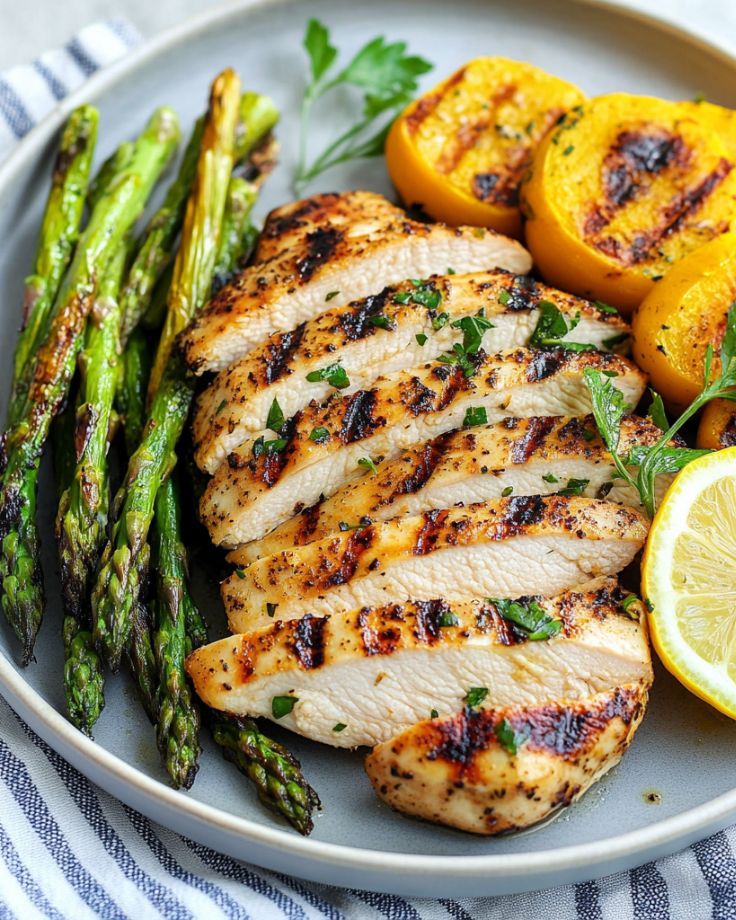
- Steamed vegetables: Green beans, broccoli, or asparagus complement the Mediterranean-inspired flavors.
- Fresh salad: A crisp green salad provides a fresh contrast to the creamy sauce.
- Crusty bread: Bread is useful for enjoying any sauce left on the plate, if it fits your dietary needs.
- Extra parsley and lemon: A little additional parsley or a small squeeze of lemon at the table can provide a fresh finishing touch.
For a straightforward family dinner, serve each chicken breast with your preferred side and spoon the artichokes, tomatoes, capers, and sauce over the top.
Make-Ahead and Storage Tips
Can You Make Mediterranean Chicken Skillet Ahead?
You can prepare the sauce ahead of time, as noted in the recipe’s existing FAQ. Make it a day or two in advance and keep it refrigerated until you’re ready to use it.
When reheating the prepared sauce, warm it gently on the stove. If it has thickened too much, a splash of water or milk can help loosen it. If you’re preparing the entire dish ahead, the chicken and sauce can also be reheated together, provided the chicken is handled and stored safely.
How to Store Leftovers
Transfer leftover Mediterranean Chicken Skillet to a sealed container and refrigerate it. The original recipe notes that leftovers can be stored in the refrigerator for up to 4 days.
For best results, refrigerate leftovers promptly rather than leaving the cooked chicken sitting at room temperature for an extended period.
How to Reheat Leftovers
Reheat the chicken and sauce gently in a skillet until the chicken is heated through. Stir the sauce as it warms, and add a small splash of water or milk if it has become too thick.
You can also use a microwave-safe container to reheat individual portions, stirring the sauce as appropriate to help it warm evenly. Make sure the chicken is thoroughly reheated before serving.
Can You Freeze It?
Freezing is not specifically addressed in the original recipe. Although cooked chicken can generally be frozen, the texture of the milk-based sauce and vegetables may change after thawing. If you want to freeze this dish, consider testing a small portion first and checking that the thawed texture suits your preferences.
Frequently Asked Questions
- Can I swap chicken breasts for thighs?
Sure thing! Boneless, skinless chicken thighs are a great substitute. They’re juicier and tend to be a bit more forgiving if overcooked. Just make sure to adjust the cooking time slightly and check that the internal temperature reaches 165°F (74°C).
- What if I don’t have almond milk?
No worries! You can swap almond milk with any other milk you prefer. Whether it’s cow’s milk, soy milk, or oat milk, you’ll still get that creamy texture. Just use what you’ve got on hand!
- The sauce is too thin! How do I fix it?
If your sauce is a little runny, just simmer it uncovered for a few more minutes to help thicken it up. Alternatively, make a quick slurry by mixing a bit of cornstarch with water, then stir it into the sauce to thicken it right up!
- Can I prep the sauce ahead of time?
Definitely! You can make the sauce a day or two ahead and store it in the fridge. When you’re ready to serve, just reheat it gently on the stove. If it’s gotten too thick, a splash of water or milk will bring it back to life.
- Can I add more veggies to this?
Of course! Feel free to toss in some spinach, bell peppers, or zucchini for an extra nutrient boost. Just sauté them along with the artichokes and tomatoes to keep it all nicely cooked and flavorful.
You May Also Love
- Lemon Herb Mediterranean Chicken Salad
- One-Pot Greek Chicken and Lemon Rice
- Greek Lemon Chicken and Potatoes
- Greek Chicken Gyros with Tzaziki
- Slow Cooker Tuscan Chicken
Mediterranean Chicken Skillet
Ingredients
- 1.5 pounds boneless chicken breast, halved lengthwise for faster cooking
- 2 tablespoons gluten-free flour
- 1/2 teaspoon salt
- 1/4 teaspoon ground black pepper
- 2 tablespoons olive oil
- 8 ounces roasted artichoke hearts canned, drained
- 3 ounces sun-dried tomatoes
- 3 tablespoons capers drained
- 2 tablespoons fresh lemon juice
- 1 tablespoon gluten-free flour
- 1 cup almond milk or any milk of your choice
- 1 tablespoon freshly chopped parsley for garnish
Instructions
- In a medium bowl, combine 2 tablespoons of gluten-free flour, 1/2 teaspoon salt, and 1/4 teaspoon black pepper. Coat the chicken breasts evenly with this seasoned flour mixture.
- Heat 2 tablespoons of olive oil in a large skillet over medium heat. Add the chicken and cook for about 10-12 minutes per side, or until fully cooked through. You may need to cook in batches to avoid overcrowding the pan. Once cooked, set the chicken aside on a plate and cover to keep warm.
- In a small bowl, whisk together the remaining 1 tablespoon of gluten-free flour and 1 cup of almond milk until smooth, with no lumps.
- In the same skillet, add the roasted artichoke hearts, sun-dried tomatoes, and capers. Sauté for 2 minutes, then pour in the milk mixture and lemon juice. Stir well to combine.
- Once the sauce begins to thicken, return the chicken to the pan and let it simmer for a couple of minutes, ensuring it's heated through.
- Serve the dish warm, garnished with freshly chopped parsley.
.
Notes:
- Chicken: This recipe uses boneless chicken breast, but boneless chicken thighs work well too if you prefer.
- Milk: Almond milk is used here, but feel free to use any milk you prefer.
- Capers: If you're not fond of capers, you can omit them.
- Artichoke hearts: While artichokes are delicious in this dish, you can substitute with vegetables like asparagus, green beans, or broccoli.
- Lemon Juice: For the best flavor, use freshly squeezed lemon juice. Bottled juice is an option if you're in a pinch.
- Storage: Leftovers can be stored in a sealed container in the fridge for up to 4 days.
- Serving Size: One chicken breast per serving.