Skip to content


Creamy Lobster Pasta – An Easy, Elegant Seafood Dinner
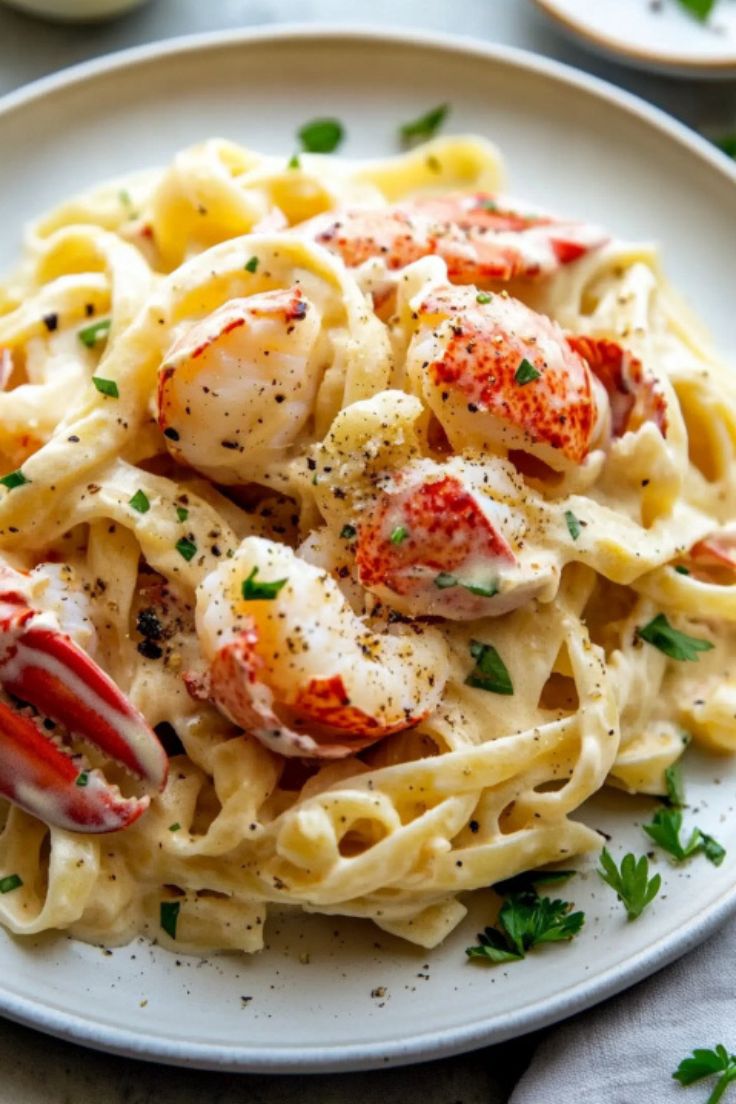
Looking for a dish that’s as indulgent as it is easy to make?
This Creamy Lobster Pasta is your go-to!
With juicy lobster, a rich white cream sauce, and a burst of fresh cherry tomatoes, it’s the kind of meal that feels special yet comes together quickly.
Perfect for date night, a cozy dinner, or any time you want to treat yourself to something truly decadent.
Get ready to impress with every bite!
Why You’ll Love This Recipe
- Rich and creamy sauce: Heavy cream and butter create a smooth, luxurious sauce that coats the pasta beautifully.
- Sweet, tender lobster: Lobster adds a delicate seafood flavor that makes this pasta feel special.
- Fresh, balanced flavors: Lemon juice, lemon zest, cherry tomatoes, and tarragon bring brightness to the creamy sauce.
- Simple ingredient combination: The recipe uses a focused selection of ingredients that work together to create a flavorful meal.
- Perfect for special occasions: This dish is a lovely option for date nights, celebrations, or dinners when you want something more elegant.
- Easy to customize: Long pasta varieties such as spaghetti, fettuccine, and linguine can be used in place of tagliolini.
Ingredient Notes & Easy Substitutions
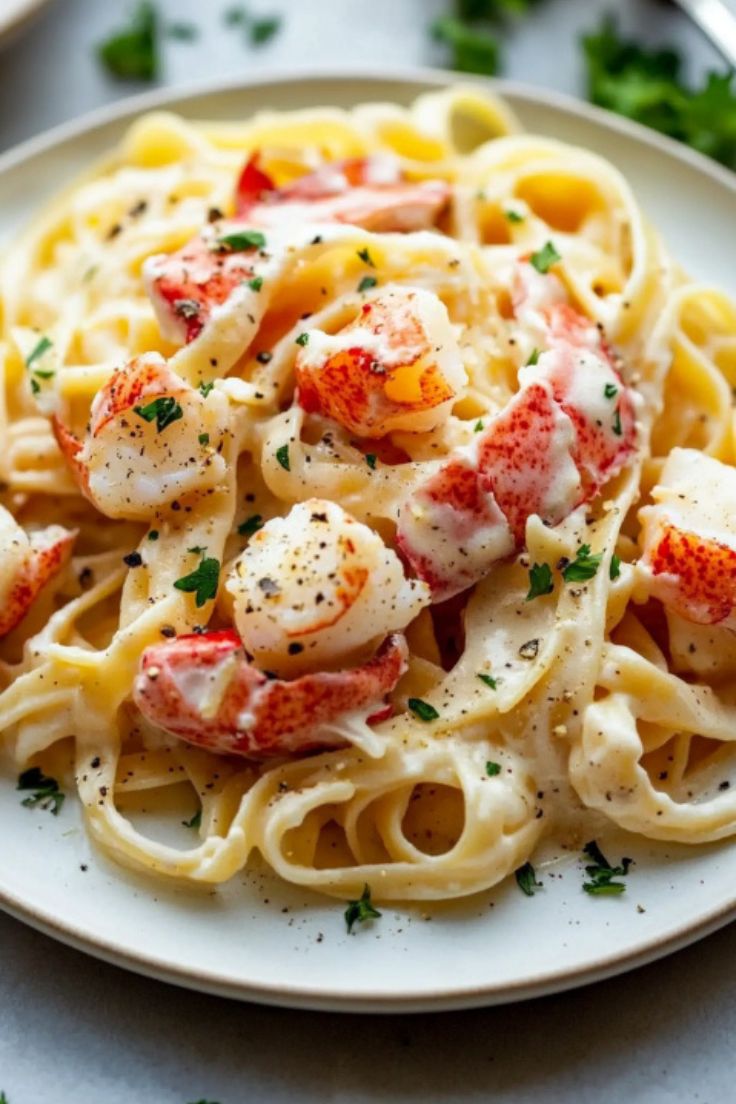
Lobster Tails
Lobster is the star of this creamy pasta, providing tender pieces of seafood throughout the dish. Fresh or frozen lobster tails can be used, making it easier to prepare this recipe with whatever is available.
If you’re using frozen lobster tails, thaw them fully before cooking. This helps the meat cook more evenly. Cut the lobster into bite-sized pieces so it can be distributed throughout the pasta.
Tagliolini Pasta
Tagliolini is a long pasta that works especially well with creamy sauces. Its shape allows the sauce to cling to the strands, bringing the lobster, tomatoes, and herbs together in each bite.
Spaghetti, fettuccine, or linguine are suitable alternatives if you cannot find tagliolini. Fresh pasta is recommended for this recipe. If you’re using boxed pasta, follow the original recipe’s guidance to reduce the cream and adjust the sauce as needed.
Heavy Cream
Heavy cream gives the sauce its rich texture and smooth consistency. It brings the ingredients together without overwhelming the delicate flavor of the lobster.
If you use boxed pasta, the original recipe recommends starting with less cream and adjusting the amount as needed. Keep in mind that substituting a lighter cream may change the richness and consistency of the finished sauce.
Shallot and Garlic
Minced shallot provides a delicate onion flavor, while garlic adds fragrance and depth. Together, they form the aromatic base of the sauce.
Take a moment to mince both ingredients before you begin cooking. This makes the preparation more organized and helps everything come together smoothly.
Cherry Tomatoes
Halved cherry tomatoes add sweetness, color, and freshness. As they cook, they begin to soften and blister, releasing flavor into the skillet.
Their bright taste helps balance the richness of the cream and butter. Keep the pieces halved as directed so they blend naturally into the sauce.
Fresh Tarragon
Tarragon brings a distinctive, lightly anise-like flavor that pairs well with lobster. A small amount adds character without making the sauce feel too heavy.
Fresh tarragon is the ingredient specified in the recipe. If you want to experiment with another herb, remember that the flavor will change, so it may take some adjustment to find a combination you enjoy.
Lemon Juice and Lemon Zest
Lemon juice adds acidity, while lemon zest provides a fragrant citrus finish. Both help brighten the creamy sauce and complement the lobster.
For the best preparation, zest the lemon before juicing it. That way, both ingredients are ready when you need them.
Butter
Butter enriches the sauce and helps give it a silky finish. It is stirred in near the end of the cooking process, allowing it to blend with the cream and other flavors.
The recipe allows for additional butter if desired, so the amount can be adjusted to suit your preference.
Salt and Pepper
Salt and pepper bring the flavors together. Season the finished pasta to taste, taking care to balance the cream, lobster, tomatoes, and lemon.
Optional Garnishes
Fresh lemon zest or juice, chopped chives, red pepper flakes, and Parmesan cheese are suggested garnishes. They allow you to finish each serving according to your taste, adding citrus brightness, fresh herbal flavor, gentle heat, or extra savory richness.
Step-by-Step Guide to Making Creamy Lobster Pasta
Step 1: Prepare the Lobster
Begin by preparing the lobster meat. If you’re using store-bought lobster tails, use kitchen shears to cut along the shell and carefully remove the meat. If working with whole live lobsters, follow the preparation method described in the recipe.
Cut the lobster meat into roughly bite-sized pieces so it can be mixed easily with the pasta later.
Step 2: Prepare the Vegetables and Herbs
Mince the shallot, garlic, and fresh tarragon. Halve the cherry tomatoes, and zest the lemon before squeezing out the juice.
Having everything prepared before you start cooking makes it easier to move from one stage to the next without rushing.
Step 3: Cook the Pasta
Bring a large pot of salted water to a boil and cook the pasta according to the package directions until al dente.
Before draining, reserve about one cup of pasta water. This is useful for adjusting the consistency of the finished sauce if it becomes too thick.
Step 4: Build the Sauce
Heat the olive oil in a large skillet over medium heat. Add the minced shallot and cook until translucent, then add the garlic and cook until fragrant.
Stir in the halved cherry tomatoes and cook until they begin to blister. Remove the skillet from the heat before adding the lemon juice, then use a wooden spoon to scrape up any bits stuck to the pan.
These ingredients create the flavorful base that will bring the cream, lobster, and pasta together.
Step 5: Add the Lobster and Cream
Add the prepared lobster meat, minced tarragon, and heavy cream to the skillet. Stir everything together and cook until the lobster is cooked through.
If you’re using boxed pasta, follow the recipe’s recommendation to reduce the amount of cream and add more as needed to achieve a smooth sauce.
Step 6: Finish the Creamy Sauce
Stir in the butter and lemon zest, allowing them to blend into the sauce. Simmer over low heat to bring the flavors together.
Keep the heat gentle once the cream is added, and stir as needed to help the sauce remain smooth.
Step 7: Toss the Pasta and Serve
Add the cooked pasta to the skillet and toss until the strands are coated in the creamy lobster sauce.
Adjust the consistency with the reserved pasta water or additional cream if needed, then season with salt and pepper to taste.
Finish with your preferred garnishes, such as fresh lemon zest, chopped chives, or red pepper flakes. Parmesan cheese is another optional finishing touch.
Serve while warm and enjoy the combination of tender lobster, silky sauce, fresh herbs, and citrus.
Tips for the Best Creamy Lobster Pasta
- Prepare everything before cooking: Mince the aromatics, chop the lobster, halve the tomatoes, and prepare the lemon and tarragon before starting the sauce.
- Thaw frozen lobster completely: If using frozen lobster tails, make sure they are fully thawed before cooking for a more even result.
- Cook the pasta until al dente: Follow the package directions and avoid overcooking the pasta, since it will be tossed with the sauce afterward.
- Save the pasta water: Keep some of the cooking water before draining. It gives you an easy way to adjust the sauce consistency.
- Add the lemon juice off the heat: The recipe specifically calls for removing the skillet from the heat before adding the lemon juice.
- Keep the heat low after adding the cream: A gentle simmer helps you bring the sauce together without exposing it to unnecessarily high heat.
- Adjust the sauce gradually: Add reserved pasta water or additional cream as needed rather than making large adjustments all at once.
Common Mistakes to Avoid
- Overcooking the lobster: Lobster can become tough when cooked for too long. Follow the recipe’s instruction to cook it until done, and pay attention as it cooks.
- Forgetting to reserve pasta water: Once the pasta is drained, the cooking water is no longer available. Set some aside first so you can adjust the sauce later.
- Adding the lemon juice over direct heat: The recipe calls for removing the skillet from the heat before adding the lemon juice. Follow this step to keep the preparation consistent with the original method.
- Using too much cream with boxed pasta: The recipe recommends reducing the cream when using boxed pasta and adding more only as needed.
- Cooking the sauce over excessive heat: Once the cream is added, keep the sauce at a gentle simmer to help maintain a smooth consistency.
- Adding the pasta before the sauce is ready: Finish bringing the sauce together before tossing in the cooked pasta so the ingredients can coat the strands evenly.
- Skipping the final seasoning: Taste the finished dish and adjust the salt and pepper before serving.
Easy Ways to Change It Up
These are optional ideas for adapting the dish. They are not part of the original recipe, so keep in mind that changes may affect the final flavor and texture.
- Try a different long pasta: Use spaghetti, fettuccine, or linguine instead of tagliolini.
- Add a little heat: Include the suggested red pepper flakes for a spicier finish.
- Make the citrus more noticeable: Finish with additional lemon zest or a little lemon juice to taste.
- Add fresh chives: Sprinkle chopped chives over the pasta for a fresh, colorful garnish.
- Finish with Parmesan: Add the optional Parmesan cheese for a more savory finish.
- Experiment with herbs: If you prefer a different herbal flavor, try a suitable fresh herb in place of tarragon, understanding that the flavor profile will change.
- Adjust the creaminess: Follow the original guidance for using less cream with boxed pasta, then adjust the sauce gradually to reach your preferred consistency.
How to Serve Creamy Lobster Pasta
Creamy lobster pasta is satisfying enough to take center stage at dinner. Its rich sauce and delicate seafood flavor pair well with simple sides that provide contrast without competing with the main dish.
Crusty bread is a natural choice. Serve slices alongside the pasta so there’s something to enjoy with any remaining sauce.
A fresh green salad can provide a crisp, refreshing contrast to the creamy sauce. A simple lemon dressing works particularly well with the citrus notes already present in the pasta.
Light vegetable sides are another option. Steamed green beans, asparagus, or roasted vegetables can round out the meal without making the plate feel too heavy.
For a special dinner, finish each serving with fresh lemon zest or chopped chives. Red pepper flakes can be offered at the table for anyone who enjoys a little heat.
If you’re planning a date-night meal or a small celebration, the original recipe also suggests serving the pasta with a glass of champagne.

Make-Ahead and Storage Tips
Can You Prepare the Ingredients Ahead of Time?
Yes, you can make the preparation easier by getting some of the ingredients ready in advance. Mince the shallot, garlic, and tarragon, halve the tomatoes, and zest and juice the lemon before cooking.
Keep prepared ingredients covered and refrigerated as appropriate, particularly the seafood. For the best texture, prepare the pasta and cream sauce close to serving time.
How Should You Store Leftovers?
Transfer leftover pasta to a suitable airtight container and refrigerate promptly. Because this dish contains cooked seafood and a cream-based sauce, handle leftovers carefully and follow standard food-safety guidance.
Avoid leaving the pasta at room temperature for extended periods.
Can You Freeze Creamy Lobster Pasta?
Freezing is not the ideal first choice for a cream-based pasta dish because the sauce may change texture after thawing, and the lobster can become less tender.
For the best quality, enjoy the pasta freshly prepared or refrigerate leftovers for a later meal. If you decide to freeze it, expect that the sauce and seafood texture may not be quite the same after reheating.
What Is the Best Way to Reheat It?
Reheat leftovers gently in a skillet over low heat, stirring as needed. If the sauce has thickened in the refrigerator, a small splash of water or cream may help loosen it.
Heat until the pasta and lobster are thoroughly warmed, taking care not to cook the seafood longer than necessary.
Can You Make the Sauce Ahead?
You can prepare the chopped ingredients in advance, but assembling the finished pasta shortly before serving is the better approach for preserving the texture of the lobster and pasta.
Frequently Asked Questions
- Can I use frozen lobster tails?
Yes, frozen lobster tails work just as well. Just make sure to fully thaw them before cooking to get the best texture and flavor. Easy as that! - How do I make the sauce thicker if it’s too runny?
If the sauce feels too thin, just let it simmer for a bit longer to reduce and thicken. Or, add a splash of the pasta water you saved—it’ll help bring everything together - Can I use a different kind of pasta?
Absolutely! While tagliolini is the classic choice, feel free to use any long pasta like spaghetti, fettuccine, or linguine—whatever you have on hand will work great! - How do I keep the cream from curdling?
To avoid curdling, just keep the heat low once you add the cream. Gently simmer the sauce, and make sure to remove it from the heat before adding the lobster meat for the smoothest texture.
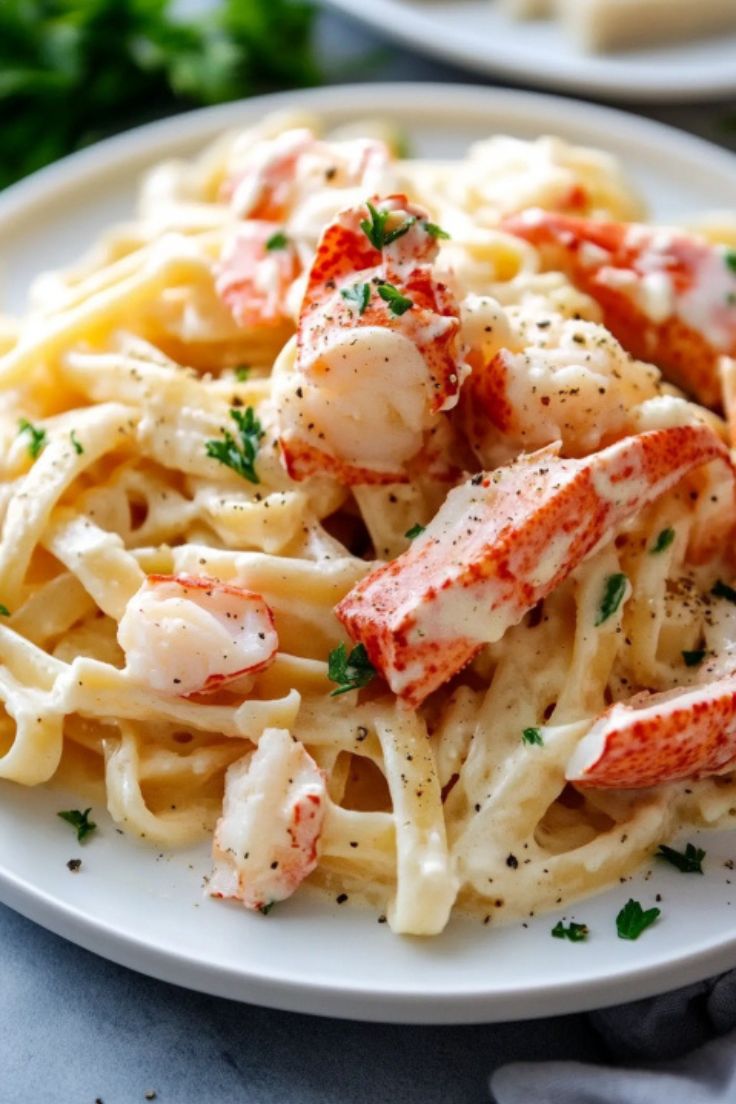
Creamy Lobster Pasta
.
- 8 oz Tagliolini or any long pasta
- 2 medium lobster tails (6-8 oz of meat)
- ½ cup heavy cream
- 1 shallot, minced
- 2 cloves garlic, minced
- 2 tbsp lemon juice
- ½ cup cherry tomatoes, halved
- 2 sprigs tarragon, minced
- 1 tsp lemon zest
- 2 tbsp butter (or more, as desired)
- Salt and pepper, to taste
- Fresh lemon zest or lemon juice
- Chopped chives
- Red pepper flakes
- Parmesan cheese (optional)
- Prepare the Lobster:
If using whole live lobsters, start by killing the lobster humanely. Use a sharp knife to make a firm cut down the line at the top of the head. Twist off the tail and claws, then carefully remove the shell using kitchen shears. Alternatively, if you have lobster tails from the store, simply cut along the top and bottom of the shell with kitchen shears and gently pull out the meat. Chop the lobster meat roughly into bite-sized pieces. - Prep Vegetables and Herbs:
Mince the shallot, garlic, and fresh tarragon. Zest the lemon and slice the cherry tomatoes in half. - Cook the Pasta:
Bring a large pot of salted water to a boil. Cook the pasta according to the package directions until al dente. Drain, reserving about 1 cup of pasta water in case you need it later. - Make the Sauce:
In a large skillet, heat 2 tablespoons of olive oil over medium heat. Add the minced shallots and cook until translucent. Add the garlic and cook until fragrant. Toss in the cherry tomatoes and cook until they begin to blister. Remove from heat and add the lemon juice (off the flame, but with the pan still hot), using a wooden spoon to scrape up any bits stuck to the pan. - Cook the Lobster and Cream:
Add the lobster meat, tarragon, and heavy cream to the pan. Stir and cook until the lobster is cooked through. If using boxed pasta, reduce the amount of cream by half and add more as needed for a smoother sauce. - Finish the Sauce:
Stir in the butter and lemon zest, letting it emulsify into the sauce. Simmer on low heat to bring everything together. - Combine Pasta and Sauce:
Add the cooked pasta to the skillet and toss to coat in the creamy sauce. Adjust the consistency with reserved pasta water or additional cream, if needed. Season with salt and pepper to taste. - Garnish and Serve:
Garnish with fresh lemon zest or juice, chopped chives, and red pepper flakes. Optional: top with Parmesan cheese.
- Don’t forget to save the lobster shells! You can make a flavorful lobster stock by boiling them with water and aromatics.
- For a complete meal, serve with a slice of crusty bread and a glass of champagne!
- Fresh pasta is recommended for this dish, but if using boxed pasta, reduce the cream amount by half and adjust as needed.